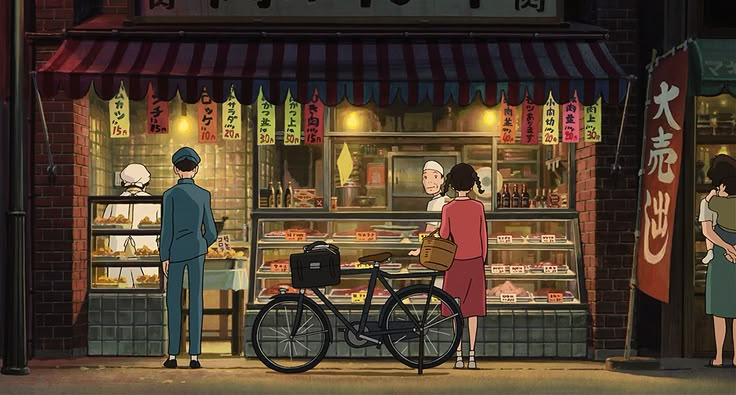
Studio Ghibli films were a part of my childhood and teenage years, a constant source of inspiration through so many phases: Whisper of the Heart, Only Yesterday, When the Wind Rises, and others that carried sincere, moving messages.
I once read how each film took years to complete; beginning with the idea, and through the effort of hand-drawing every scene. Today, however, with the rapid acceleration of technology, social media is flooded with “Ghibli-style” artwork: images anyone can generate in seconds using AI.
Miyazaki himself, Ghibli’s founder, animator, and filmmaker, once said of such developments: “I feel this is an insult to life itself.”
The human touch
What captivates me every time I watch a Ghibli film is not only the visual details, but also the emotional blend of hope, empathy, and sometimes sorrow. That unmistakable touch is not imitation, but the work of a human who channels emotions and lived experiences, aware of the intricate depths of the human self, using technique as a medium to communicate meaning.
To me, that’s what gave Ghibli films their true value, and why they resonated so deeply with audiences across the world.
Value tied to personal journey
This isn’t unique to Ghibli. Every authentic human creation holds the same weight. Consider Van Gogh’s paintings: what gave them staggering success after his death? if not the connection to his story; his suffering, complex character, and uniquely human struggle.
Even though we see hundreds of thousands of reproductions of “Starry Night” today, there is still only one original. It exists for reflection and inspiration, as a testament to authentic art and human experience.
The same goes for Ghibli-style AI artwork. You may be impressed by how closely it mimics the style, but you won’t feel awe at a personal touch, nor will you sense the value of painstaking labor. Deep down, we know these images are machine-generated, stripped of the unique fingerprint that no algorithm can replicate no matter how often themes and aesthetics overlap.
“We Are Losing Faith in Ourselves”
The fast pace of modern life has made almost everything replaceable by technology, even work that depends on emotion and personal creativity. That’s what makes the temptation of creating with AI so strong.
I’m not sure if it’s laziness, or simply a lack of confidence in our own true abilities: that we can create work infinitely better. Perhaps this is the very thought that led Miyazaki to say: “Humans are losing faith in themselves.”
What we shall not overlook is this: the machine does not feel. No matter how well it depicts grief, pride, despair, or conviction, it hasn’t lived the experience. It hasn’t spent long, sleepless nights staring at the ceiling, waiting for an idea to crystallize into something honest. These are the details that require years of growth, and they begin with faith in one’s own worth and ability.
The machine may imitate, but it will not originate. No matter how viral its results become, they will always rest on the foundation of authentic human effort. The point is not to reject technology, but to preserve the soul of what we make, to believe again in human effort as the truest source of creation.
Strive to find your voice
I’ll end with a quote from Dead Poets Society, when Professor Keating told his students: “You must strive to find your own voice.”
That was the spark that moved them to write their great poems—and it remains the spark in any field a person chooses. Your self is the cornerstone of authentic work, the kind that truly resonates.